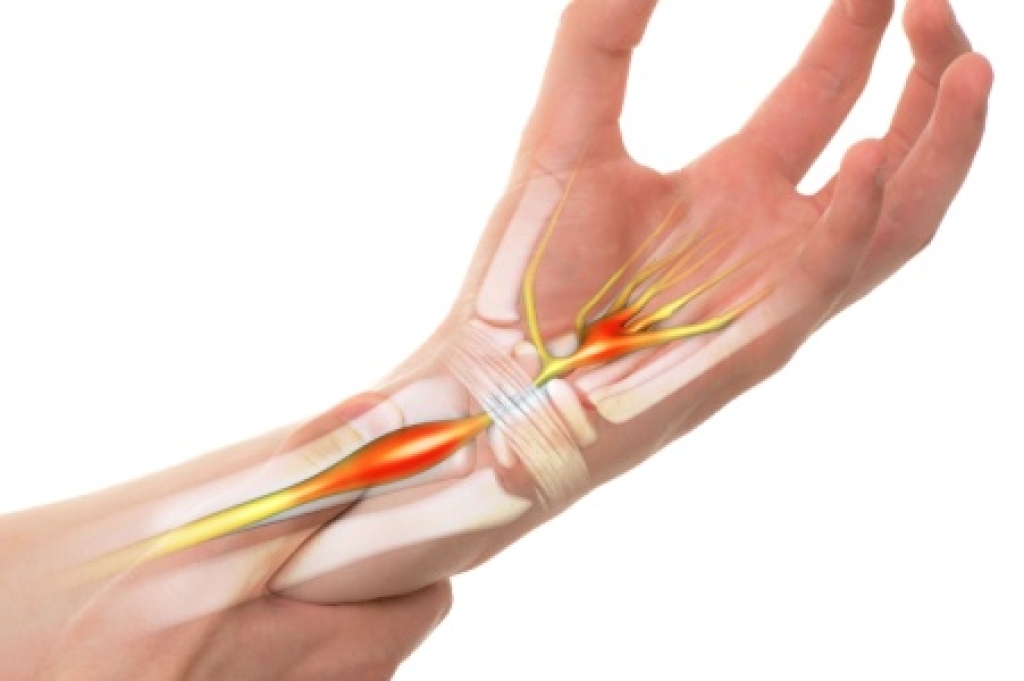
Carpal tunnel syndrome develops when the median nerve is squeezed as it passes through a narrow space in the wrist called the carpal tunnel. This nerve helps control feeling and movement in parts of the hand. Pressure on it can slow nerve signals and reduce hand function. The condition can affect one or both hands. It is more frequent in middle-aged and older people and is also more frequent in women. Health conditions like arthritis or diabetes can increase the risk. Repetitive hand activity can make symptoms worse.
Symptoms can begin with numbness or tingling in the hand. As nerve pressure increases, weakness can develop and make gripping objects more difficult. Some patients notice symptoms after waking, although discomfort can occur at other times. Activities like driving, holding a book, or grasping objects can make symptoms worse. Fine-motor tasks can become difficult, including buttoning a shirt. Patients might also drop objects because of reduced strength or sensation. Some people feel as though the hand is swollen even when no swelling is visible. Without proper evaluation, worsening nerve pressure can lead to greater weakness and loss of hand function.
A chiropractor can evaluate wrist symptoms and determine how movement and joint function relate to the problem. The examination includes checking hand sensation, wrist movement, and grip strength. A chiropractor can also assess the elbow and neck because nerves traveling to the hand pass through these areas. Chiropractic care focuses on improving joint motion and reducing mechanical stress that can affect the wrist and arm. Treatment includes gentle adjustments, soft-tissue techniques, and targeted exercises. Care is based on the examination findings and severity of symptoms. If you have symptoms of carpal tunnel syndrome, it is suggested that you schedule an appointment with a chiropractor for a diagnosis and appropriate treatment.
Carpal Tunnel Syndrome
Carpal tunnel syndrome, or CTS, is a condition caused by compression of the median nerve, which runs through the carpal tunnel in the wrist. This tunnel is a narrow passageway surrounded by bones and ligaments, and when it becomes compressed or inflamed, it can put pressure on the nerve. Symptoms of CTS include tingling, numbness, weakness, and pain in the hand and fingers, often making simple tasks difficult and uncomfortable.
Chiropractic care offers a non-invasive approach to managing CTS by addressing alignment and reducing nerve pressure. Chiropractors start by evaluating the wrist, elbow, and even the cervical spine or neck, as misalignments in these areas can contribute to nerve compression in the wrist. Through gentle adjustments, chiropractors can improve the alignment of the wrist and spine, helping to reduce the pressure on the median nerve.
In addition to adjustments, chiropractors may use soft tissue therapy, such as stretching and myofascial release, to reduce inflammation surrounding the wrist and enhance mobility.
Why Consider Chiropractic for CTS?
Chiropractic care can provide lasting relief by targeting the root causes of CTS, reducing pain, and promoting long-term hand and wrist health.
Can Chiropractic Care Address Repetitive Strain as a Cause of CTS?
Chiropractic care can help manage repetitive strain by improving joint alignment and recommending ergonomic adjustments.
If you have any questions, please feel free to contact our office located in Tulsa, OK .
